An incorrect selection of the cooling system in an injection molding workshop can lead to problems ranging from product shrinkage marks, warping, and extended production cycles to mold overheating and shutdown, directly increasing scrap rates and electricity bills. Many purchasing managers only focus on whether the cooling is sufficient, neglecting the dynamic load under actual operating conditions. To truly prevent insufficient cooling and excessive power consumption, it's essential to understand the scientific logic behind selecting injection molding workshop chillers from the outset, rather than relying on experience or cheap options. The following key tips will help you avoid these pitfalls.
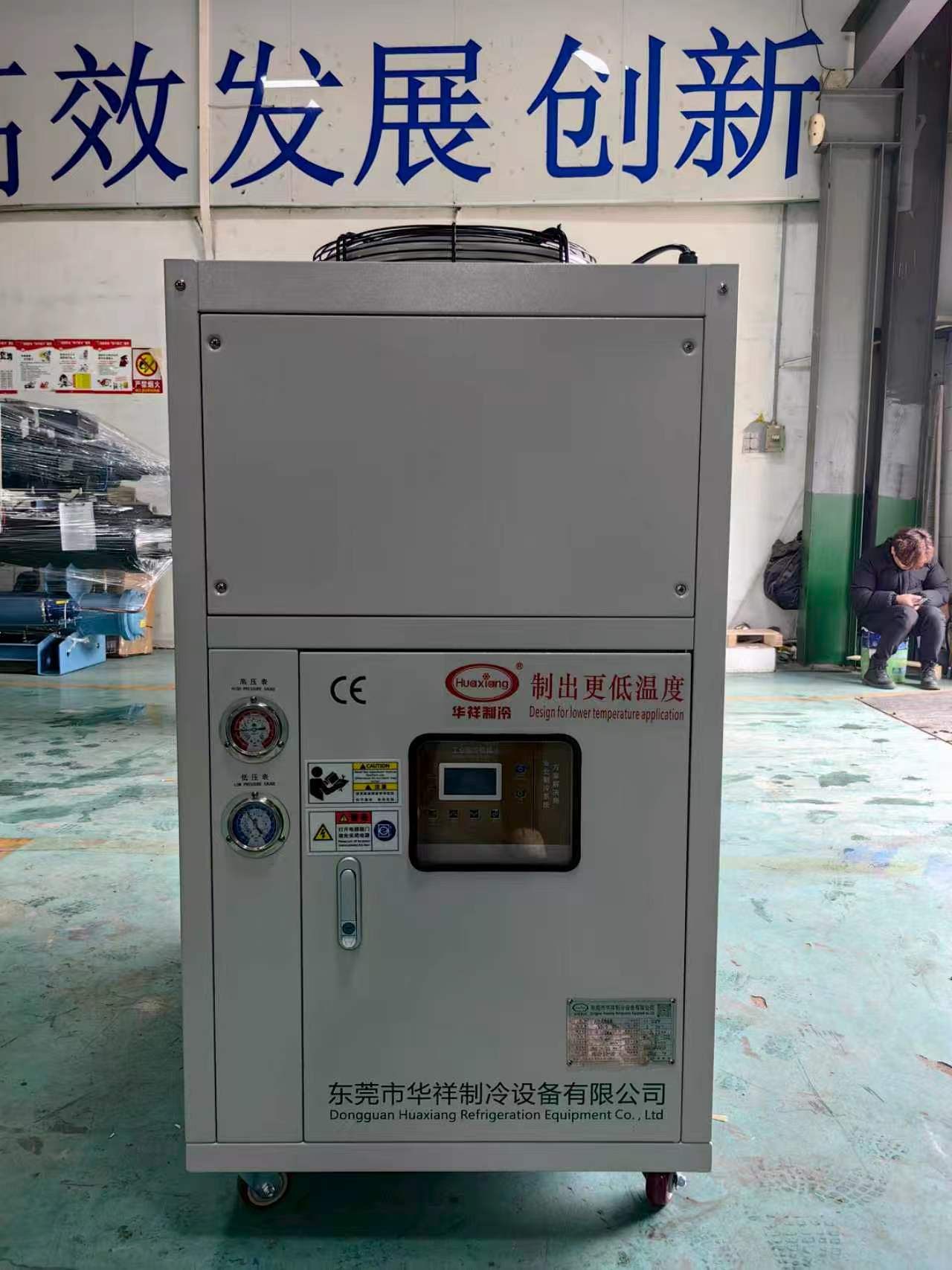
Step 1: Accurate cooling capacity calculation is crucial to avoiding overkill. Many workshops suffer from insufficient cooling because simple estimations (such as "how many HP per ton of injection molding machine") are used instead of actual heat load calculations. A correct cooling capacity calculation should include: the specific heat capacity of the plastic raw material, the injection volume per hour, the temperature difference between the mold inlet and outlet water, the molding cycle, and ambient heat radiation. For example, the heat release of ABS and PC differs by nearly 30%. Without this distinction, the selected chiller unit will either frequently operate at full load or run inefficiently for extended periods. It is recommended to use the formula: Cooling capacity (kW) = Raw material flow rate (kg/h) × Specific heat capacity (kJ/kg·℃) × Temperature difference (℃) ÷ 860, then multiply by a safety factor of 1.2. Only with accurate calculation can you ensure that the embarrassing situation of "setting a temperature of 10℃ but only actually reaching 15℃" is avoided.
The second step: Based on the workshop conditions, choose between air cooling and water cooling, which directly affects the annual electricity cost. Injection molding workshops are typically characterized by high temperatures, oil stains, and dust. If ventilation is good and water resources are not scarce, air-cooled chillers are a worry-free choice—no cooling tower is needed, installation is flexible, and maintenance only requires cleaning the fins. They are suitable for small to medium tonnage (below 200T) or intermittent production. However, if the workshop is enclosed with poor heat dissipation, or if large, thick-walled products are being produced (requiring continuous high-flow-rate low-temperature water), water-cooled chillers offer significant advantages: lower condensing temperatures, a 30%–40% higher coefficient of performance (COP), and the electricity savings during long-term high-load operation can cover the investment in cooling towers. Especially during hot summer months, air-cooled chillers may shut down due to excessive condensing pressure, while water-cooled chillers are almost unaffected by outdoor dry-bulb temperatures, resulting in superior operational stability.
Third step: Don't overlook water temperature control accuracy and variable flow rate adjustment capabilities. Injection molds are extremely sensitive to water temperature fluctuations; even a change of ±1℃ can lead to product dimensional deviations. When selecting a chiller, focus on the unit's temperature control accuracy (ideally within ±0.5℃) and whether it is equipped with intelligent PID control. Furthermore, when multiple injection molding machines in the workshop are running simultaneously, the load fluctuates greatly. It is recommended to choose models with frequency conversion or multi-stage unloading functions to avoid compressor wear and additional power consumption caused by frequent start-stop cycles. In addition, auxiliary components such as chilled water pipe insulation, flow switches, and filters must be in place; otherwise, the cooling capacity will be wasted during transportation.
Finally, we strongly recommend that you provide detailed process parameters (raw material type, unit weight, cycle time, number of molds, and workshop ambient temperature) for review by a professional engineer before purchasing. The suitable chiller for an injection molding workshop is not the one with the highest horsepower, but the one that best matches the load curve.

 Get a Quote